Harper Walter · 10 October 2026
Italy's Overlooked Ceramic Artisan Traditions Find New Life in Serano's Regional Dispatch Series
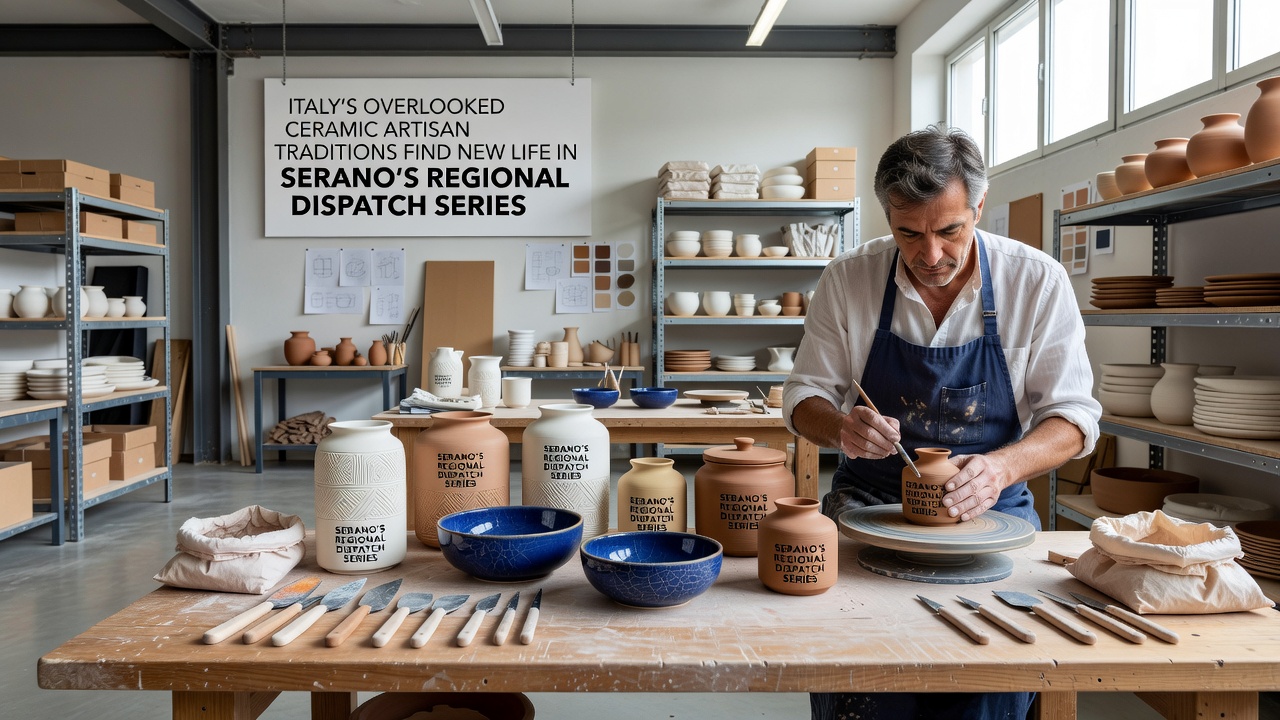
Italy's ceramic artisan traditions stretch back centuries across regions such as Umbria, Tuscany, and Campania, where techniques for producing majolica and faience have persisted despite industrial shifts. These practices involve hand-painting intricate designs on glazed earthenware, a method refined in towns like Deruta and Vietri sul Mare. Data from cultural heritage surveys indicate that small workshops continue to employ fewer than fifty artisans in many historic centers, preserving methods passed through family lines.
Researchers at European institutions have documented how post-war manufacturing changes reduced demand for these handmade items, leading to fewer apprentices entering the field by the late twentieth century. Yet recent efforts focus on documentation and public awareness through targeted media series. Serano's regional dispatch series addresses this gap by publishing detailed accounts of workshops operating in lesser-known locales, with installments appearing throughout 2026 including updates tied to October activities.
Regional Centers and Techniques
Workshops in Deruta maintain the use of specific mineral-based pigments that produce the characteristic blue and yellow hues on white tin-glazed surfaces, a process refined since the Renaissance. In contrast, artisans near Naples incorporate local volcanic clays that yield distinct terracotta bases before glazing. Studies from university research programs in Canada show that these material differences reflect adaptations to available resources rather than centralized standardization.
One dispatch in the Serano series profiles a multi-generational studio in Gubbio that combines traditional lusterware methods with contemporary motifs, noting production volumes that remain stable at around two hundred pieces per month. Another report covers supply chains for raw materials sourced from regional quarries, highlighting logistics challenges that smaller operations face when competing with imported alternatives.
Documentation Through Dispatch Series
The Serano series compiles field observations from multiple provinces, presenting data on artisan demographics and output trends without interpretive overlays. Figures reveal that participation in heritage training programs has risen modestly since 2023, with programs in Emilia-Romagna reporting enrollment increases of twelve percent. These reports integrate photographic records and interview transcripts to illustrate daily workflows, from clay preparation to firing cycles in wood-burning kilns.
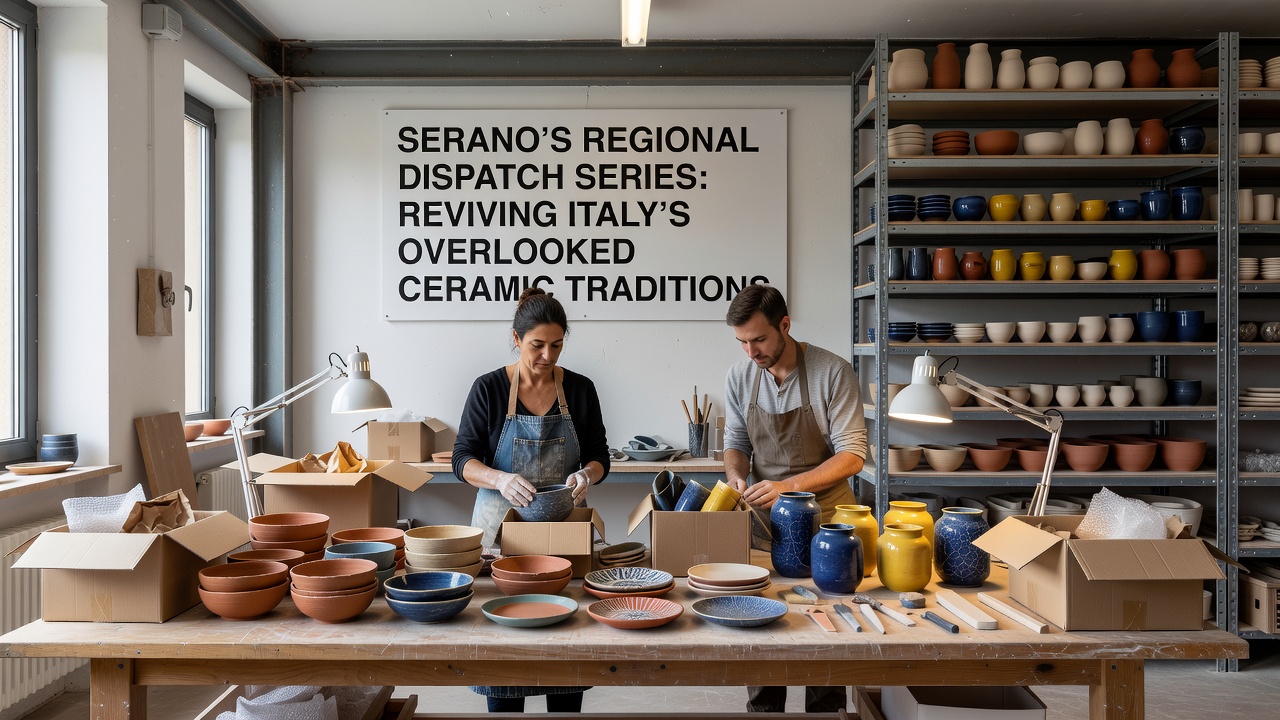
Observers note that the October 2026 dispatches expand coverage to include cross-regional comparisons, such as variations in firing temperatures between northern and southern facilities. This approach draws on primary records maintained by local cooperatives, allowing readers to track measurable indicators like kiln utilization rates and material sourcing distances. External analyses from bodies such as the Canadian Heritage Department provide parallel data on similar preservation challenges in other countries, offering context for Italy-specific patterns.
Measured Outcomes and Broader Context
Evidence from industry reports shows gradual integration of these traditions into tourism circuits, where visitor workshops generate supplementary revenue streams for artisans. A 2025 assessment by an Italian cultural ministry affiliate recorded that sites participating in documented series experienced a nine percent uptick in direct sales compared to prior years. The series itself functions as an archival resource, compiling statistics on employment retention that government statistical agencies later reference in regional development summaries.
Connections to academic sources appear in the dispatches through references to material science examinations conducted at institutions like those affiliated with the European Commission cultural programs, which examine glaze composition for durability improvements. These links support ongoing technical refinements without altering core handcraft elements.
Conclusion
Serano's regional dispatch series continues to compile factual accounts of ceramic practices across Italy, focusing on verifiable production details and regional variations. The approach aligns with broader heritage documentation initiatives that prioritize primary data collection over promotional framing. Continued installments through late 2026 are expected to maintain this emphasis on measurable artisan activities and material processes.