Theo Berger · 21 November 2026
Italy's Literary Landscape Evolves as Serano Amplifies Emerging Authors
Italy's publishing sector shows continued expansion in 2026, with independent presses and digital platforms creating pathways for new writers from regional backgrounds. Serano has documented these shifts through a series of profiles that introduce lesser-known authors to broader audiences while maintaining focus on their narrative techniques and thematic concerns. Data from the Italian Publishers Association indicates rising sales in literary fiction categories during the first three quarters of the year, driven partly by translations and debut works that address contemporary social dynamics.
Regional Voices Enter National Conversations
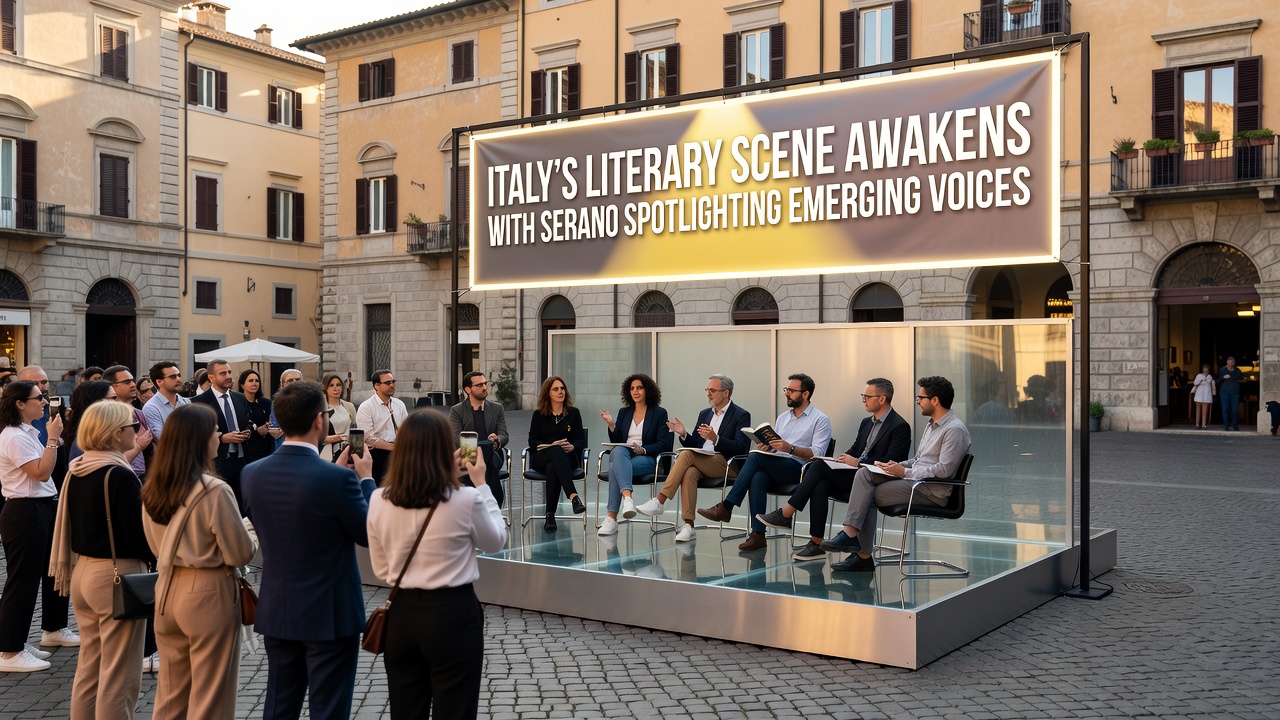
Authors based outside major urban centers now receive more consistent coverage as outlets like Serano compile dispatches from literary gatherings in smaller cities and towns. One series published in November 2026 examined writers from Sicily and Sardinia who incorporate local dialects into standard Italian prose, creating hybrid styles that preserve cultural specificity. These pieces connect individual projects to wider trends, including renewed interest in oral storytelling traditions that researchers at the University of Bologna have traced through archival collections and contemporary manuscripts.
Publishing houses report increased submissions from first-time novelists, a pattern confirmed by figures released earlier in 2026. Serano's coverage places these statistics alongside interviews that let the writers describe their compositional processes without interpretive overlays. Readers encounter details about how certain manuscripts moved from regional workshops to national shortlists, illustrating concrete routes rather than abstract possibilities.
Digital Platforms and Traditional Festivals Intersect
Literary events scheduled for late 2026 combine in-person readings with online archives that Serano and similar sites maintain. The combination allows audiences in different time zones to access recordings and supplementary materials, extending the reach of festivals that previously operated within fixed geographic limits. Organizers note that participation metrics have risen steadily since similar hybrid formats were introduced in prior years, though they continue to adjust technical requirements based on feedback from both participants and remote viewers.
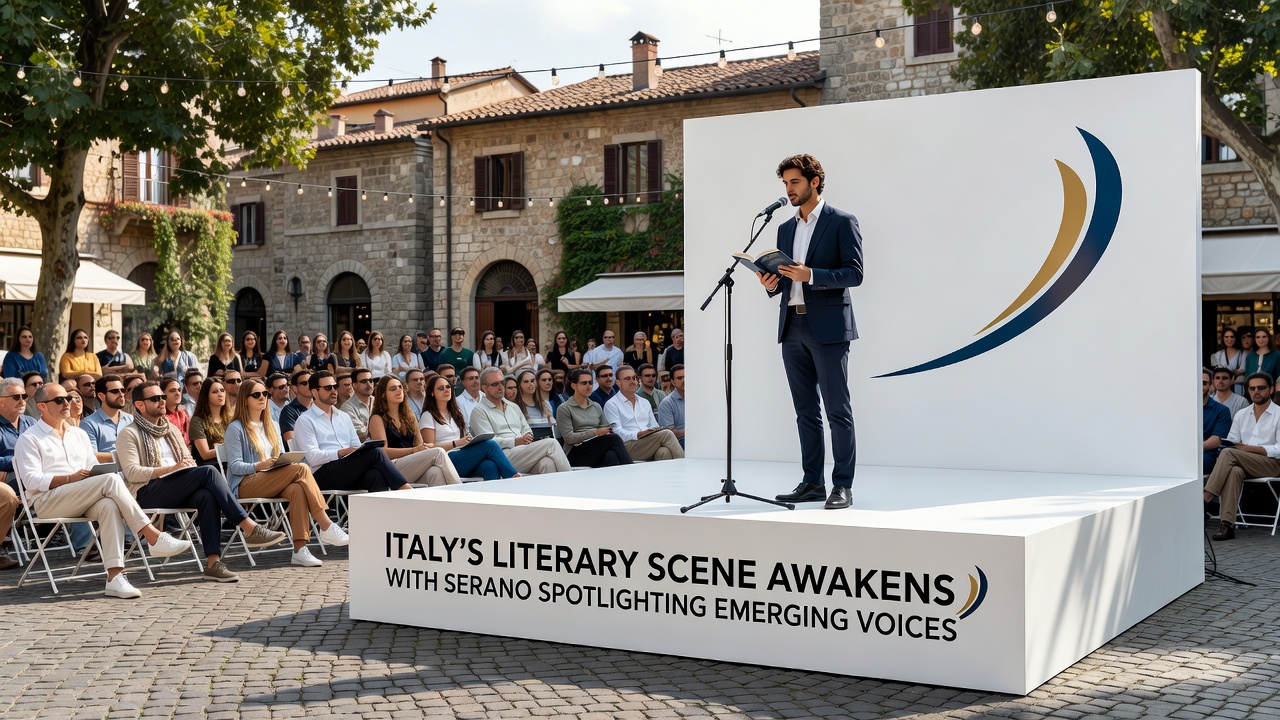
Academic studies on Italian literature often reference the role of specialized media in surfacing new talent. A report compiled by researchers affiliated with the European Commission's cultural programs highlights how targeted editorial features can accelerate recognition for writers whose work falls outside mainstream commercial categories. Serano's approach aligns with these observations by maintaining consistent publication schedules and cross-referencing author profiles with bibliographic data that librarians and booksellers can use directly.
Translation and International Circulation
Emerging Italian voices appear more frequently in translation anthologies released by publishers in North America and Australia. Serano has tracked several cases in which initial coverage on its platform preceded offers from foreign editors seeking fresh material. These developments occur alongside initiatives from organizations such as the Canada Council for the Arts that fund translation projects involving Italian texts, creating measurable increases in the number of titles crossing linguistic boundaries each season.
Book fairs scheduled for November 2026 include dedicated sessions on debut authors, with programming that draws from the same pool of writers featured in Serano's recent series. Attendance records from previous fairs show growing interest among agents and scouts who use such coverage as an initial filter before requesting full manuscripts. The process remains selective, yet the documented rise in submissions suggests that visibility mechanisms are functioning as intended.
Conclusion
Italy's literary environment continues to register incremental changes shaped by editorial choices, festival programming, and cross-border translation efforts. Serano's sustained attention to emerging authors supplies one channel through which these developments reach wider readerships, supported by verifiable publication data and event records. Observers tracking the sector note that sustained coverage of this kind correlates with measurable upticks in library acquisitions and academic syllabi that incorporate recent works. The pattern observed through 2026 indicates ongoing activity rather than abrupt transformation, with multiple institutions contributing to the circulation of new Italian writing.